

Varieties of New Zealand Pounamu
Upgrading spaces
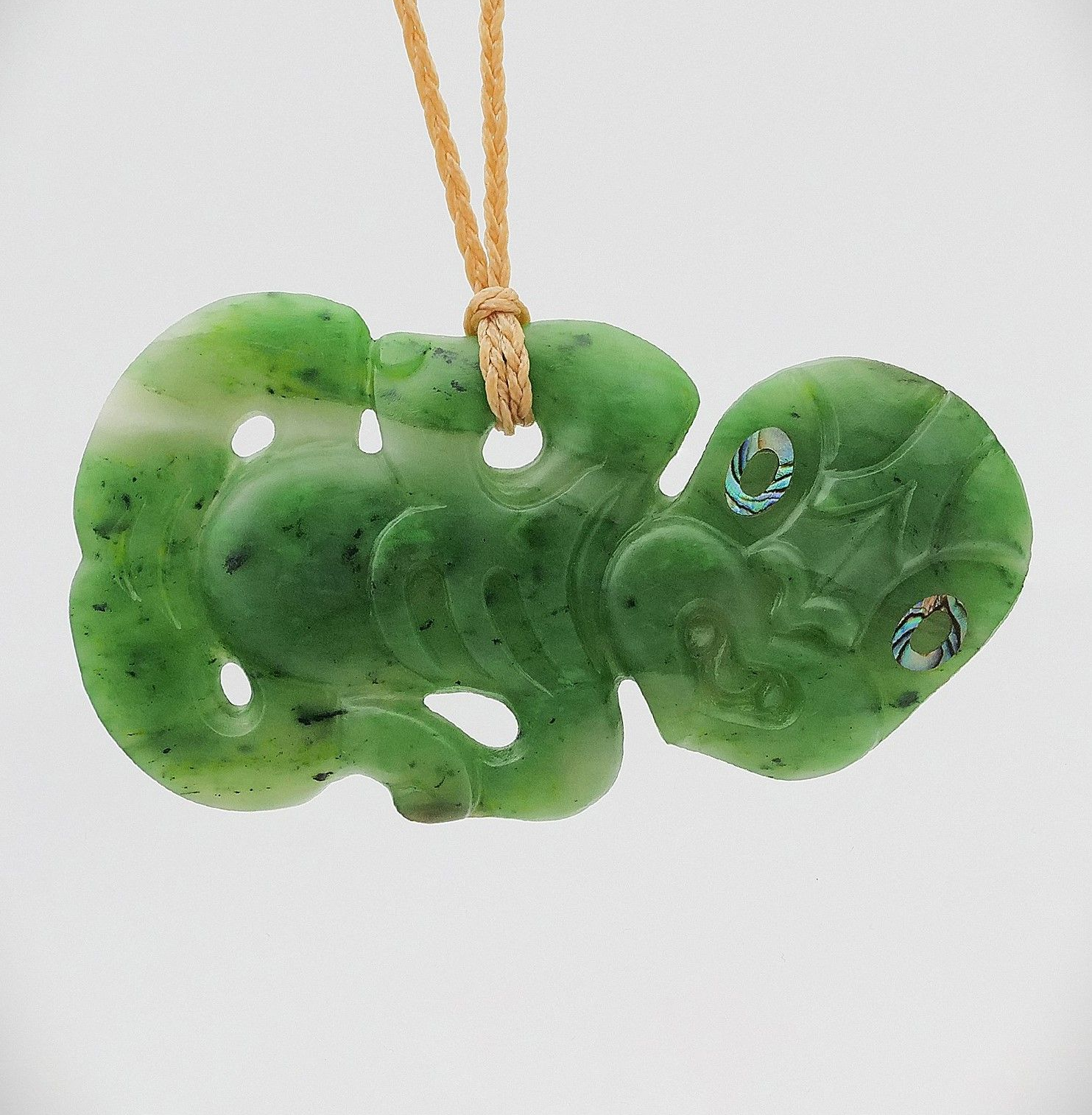
Kahurangi Pounamu
Key Characteristics: Highly translucent, flawless, with a vibrant light to apple-green colour.
Significance & Name: Kahurangi means a precious, distinguished treasure. It is considered one of the most prized types of pounamu and was traditionally used for items of high status.
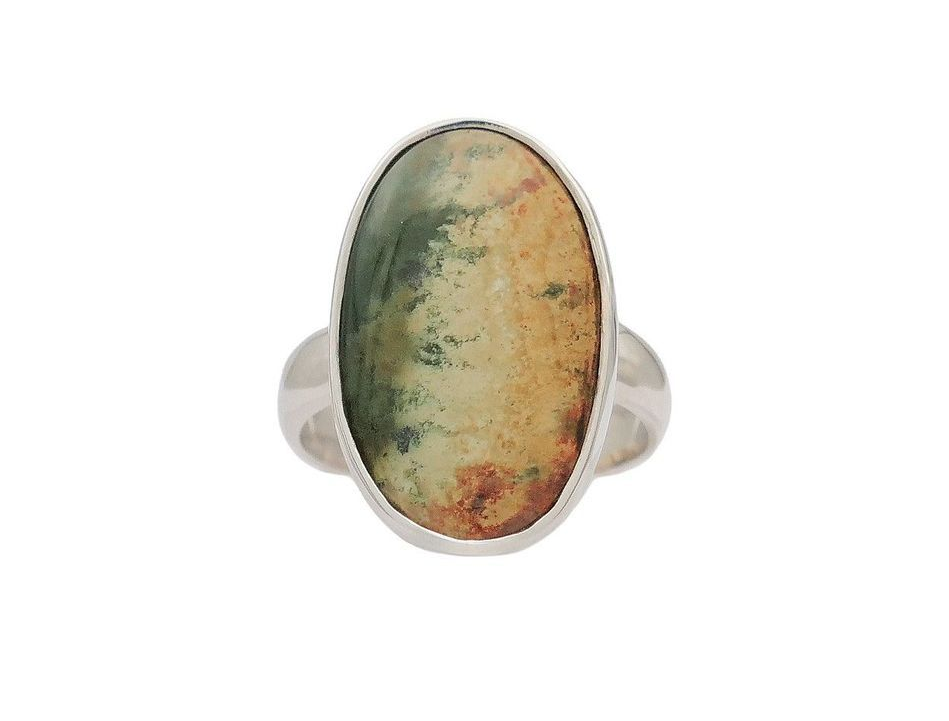
Raukaraka Pounamu
Key Characteristics: A form of Kawakawa known for its striking yellow and orange tones blending through the green, often from a thick, oxidised crust.
Significance & Name: Named after the leaf of the karaka tree, which has a yellowish tinge. The colour contrast makes for unique carvings. This is West Coast Greenstone from the Taramakau River Area.
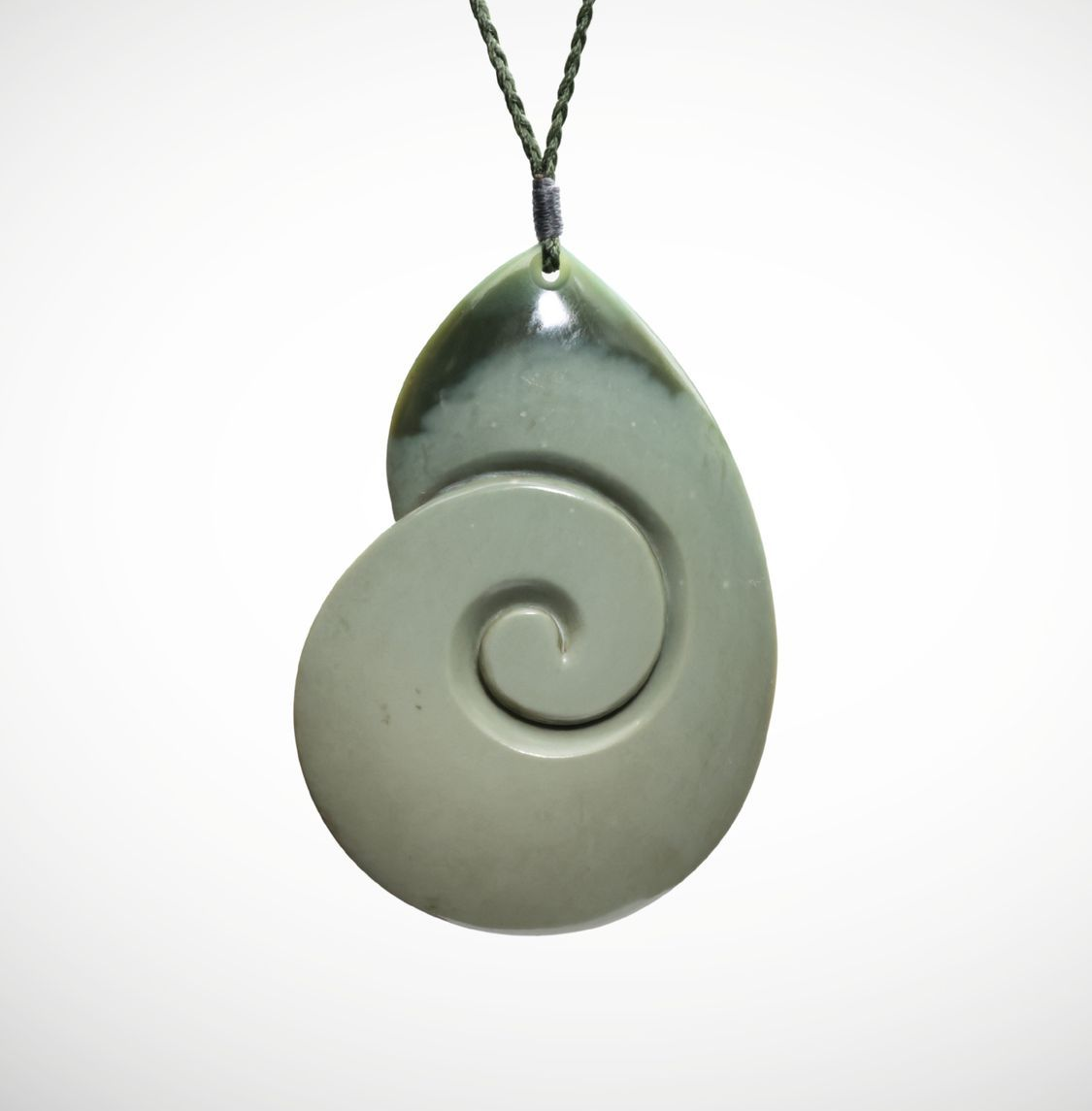
Inanga Pounamu
Key Characteristics: Pearly white, greyish-green, or blue tones with a milky, sometimes translucent appearance.
Significance & Name: Named after the inanga (whitebait) for its pale, silvery colour. This soft stone can absorb natural oils from the skin over time, often deepening to a light brown.
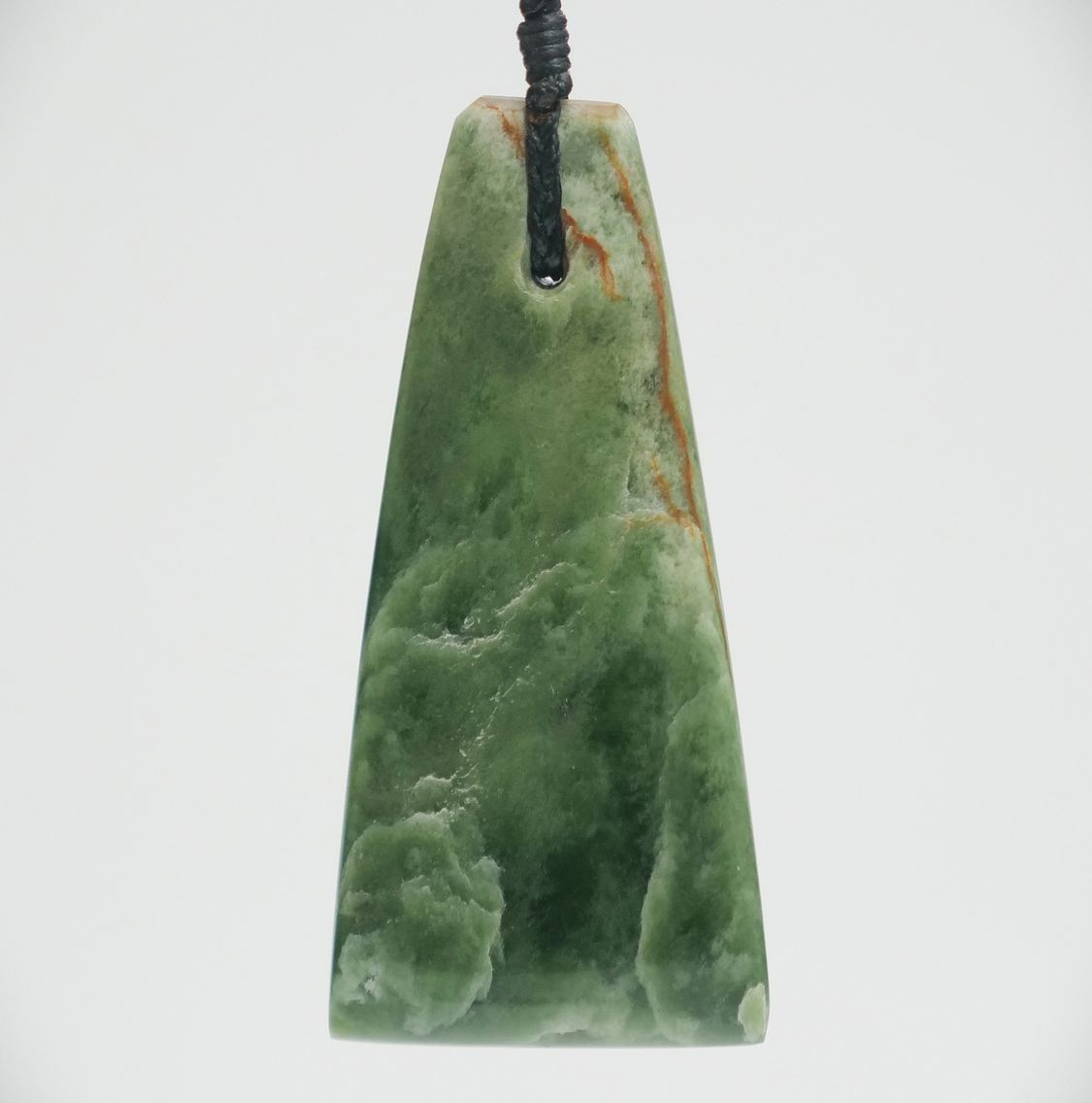
Auhunga Pounamu
Key Characteristics: A pale, opaque green stone with a frosty appearance, resembling the Southern Alps.
Significance & Name: Genuine West Coast greenstone from the Arahura River area. Its name translates to "frosty," and it is considered the intermediate stone between the pale Inanga and the dark Kawakawa.
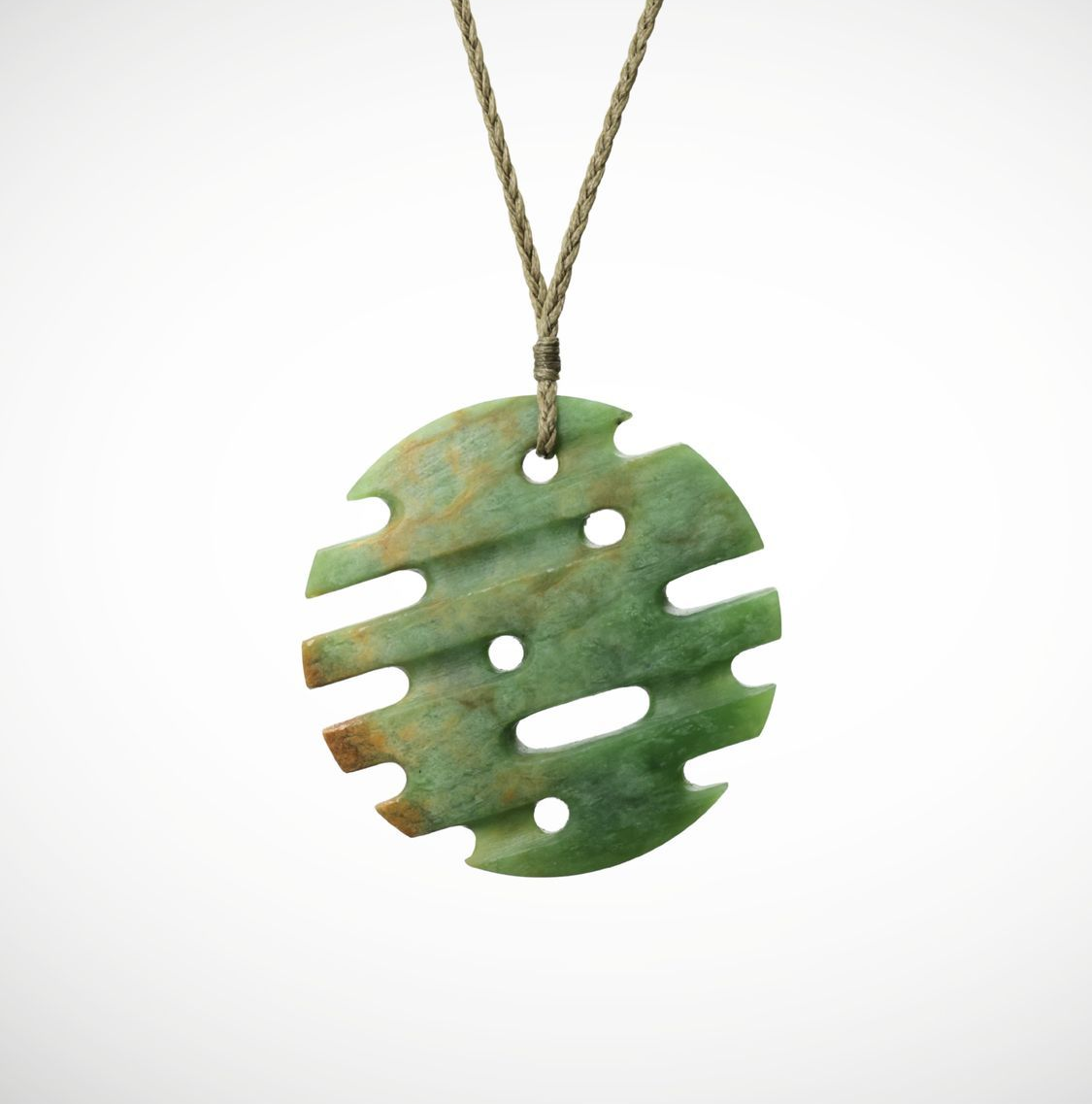
Kahotea Pounamu
Key Characteristics: Often appears as a white or pale-skinned boulder. When cut open, it can reveal a variety of inner colours and patterns.
Significance & Name: A shortened form of Kakahotea, meaning "the white flowering seed head of the Toetoe." The name commemorates the legendary discovery of a white pounamu boulder by a daughter of the explorer Kupe on the banks of the Arahura River.
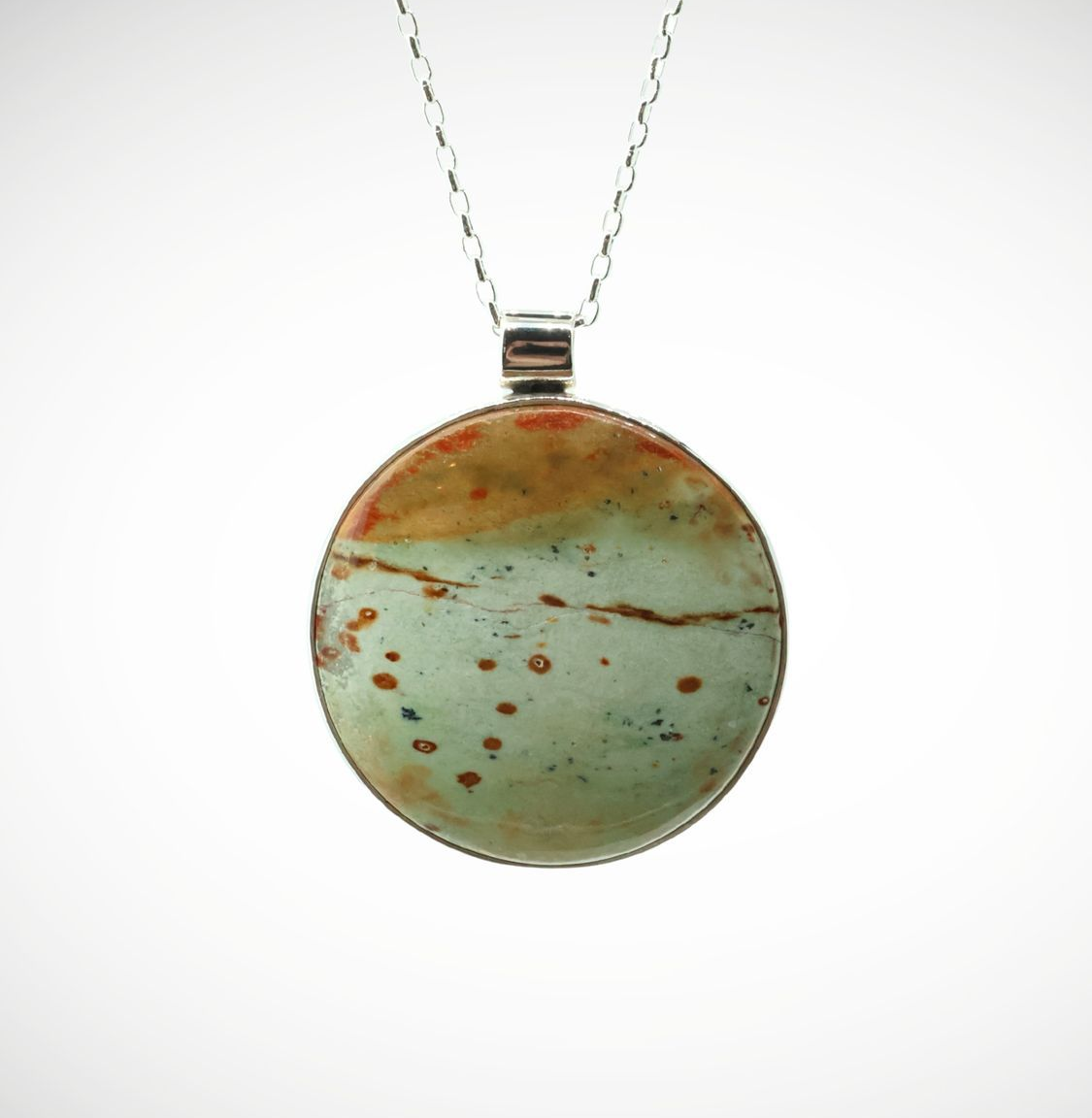
Kokopu Pounamu
Key Characteristics: Known for its speckled or mottled texture in colours ranging from light browns and creamy whites to olive greens.
Significance & Name: Named for its resemblance to the spotted skin of the native giant kōkopu fish. Each piece has a diverse and unique character.
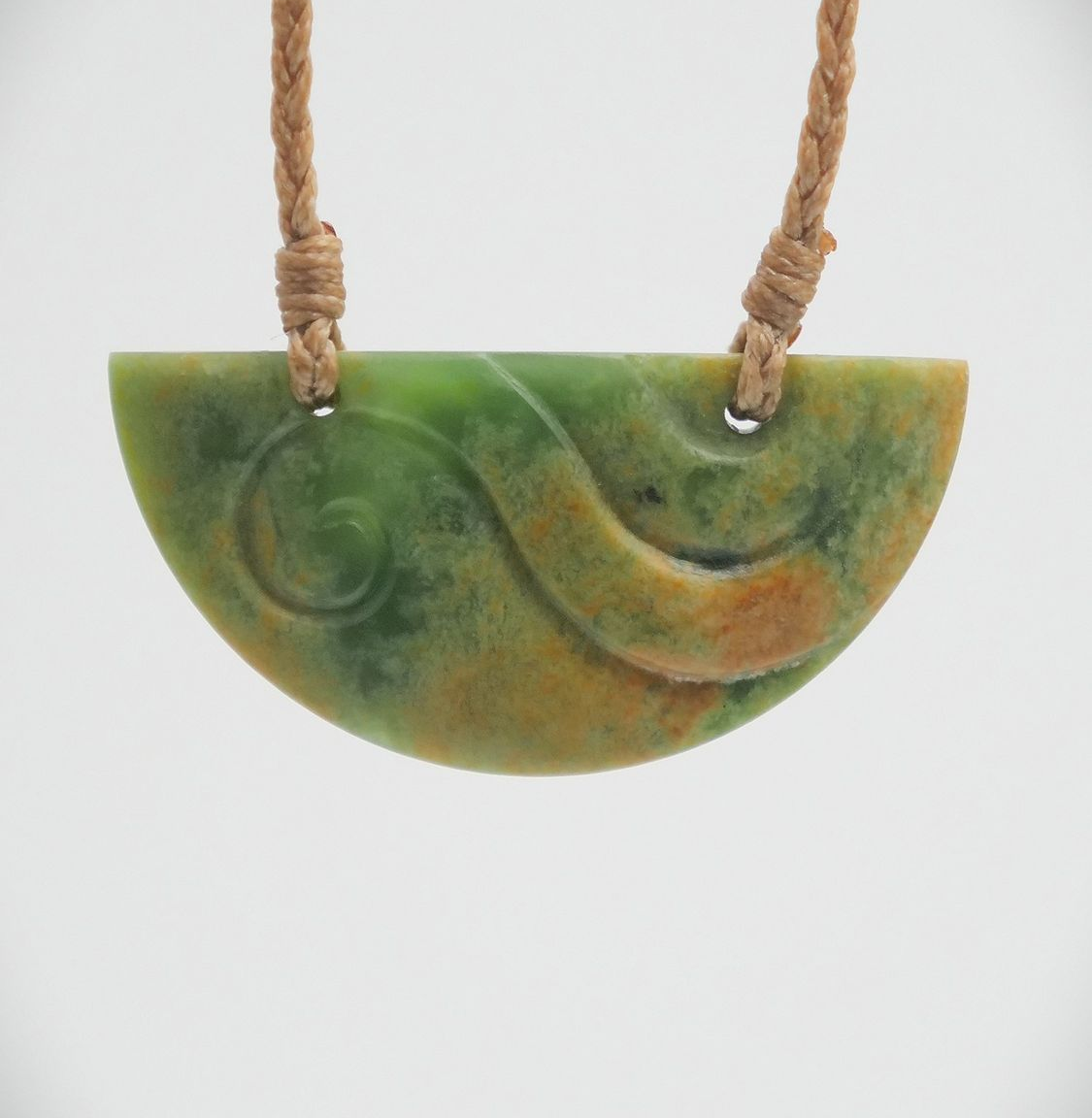
Kahurangi Flower Jade (Putiputi)
Key Characteristics: Distinguished by beautiful golden-yellow or orange patterns that look like flowers within the stone.
Significance & Name: Putiputi is the Māori word for flower. This valuable and sought-after type gets its unique colours from a special weathering process.
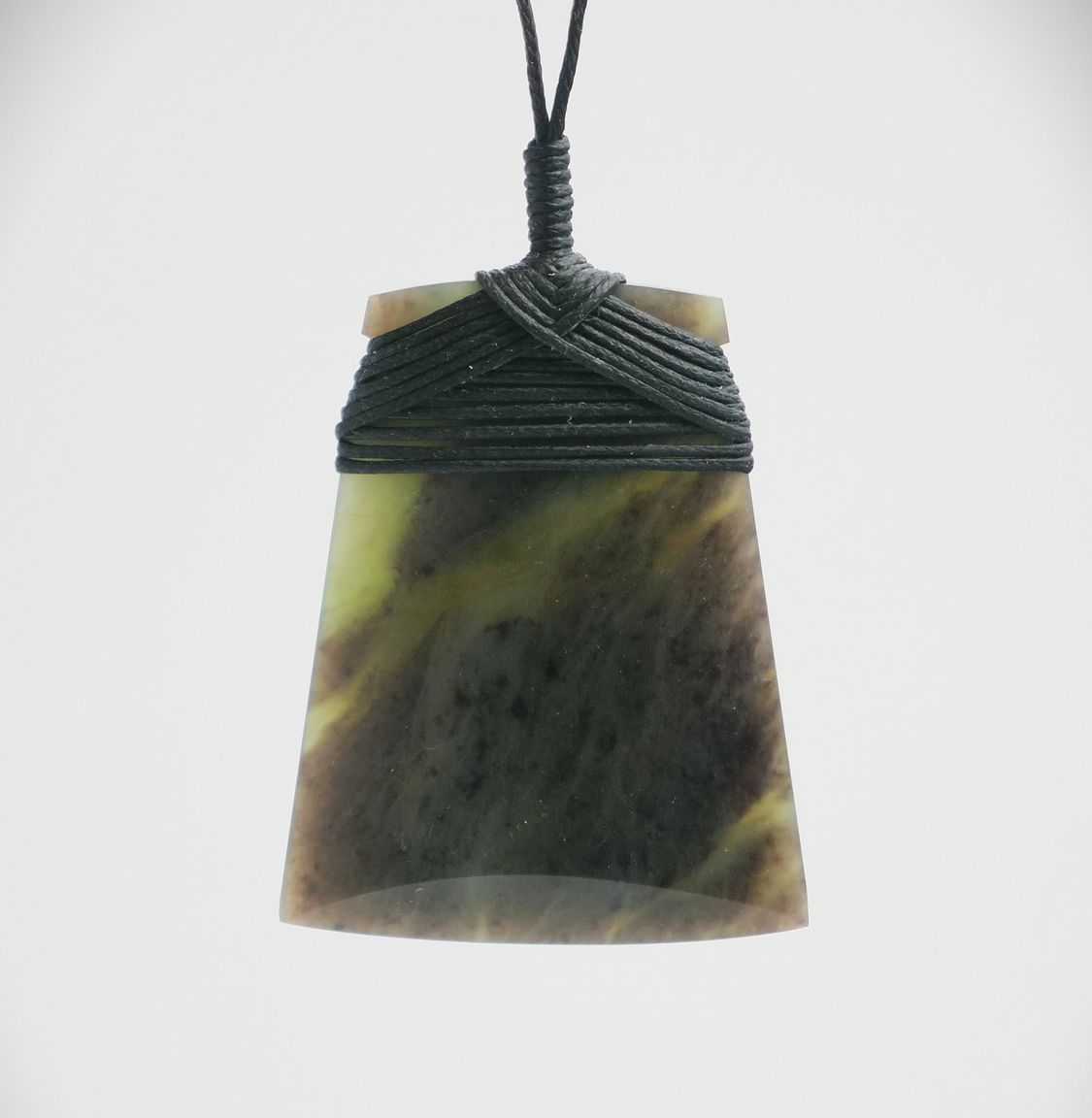
Totoweka Pounamu
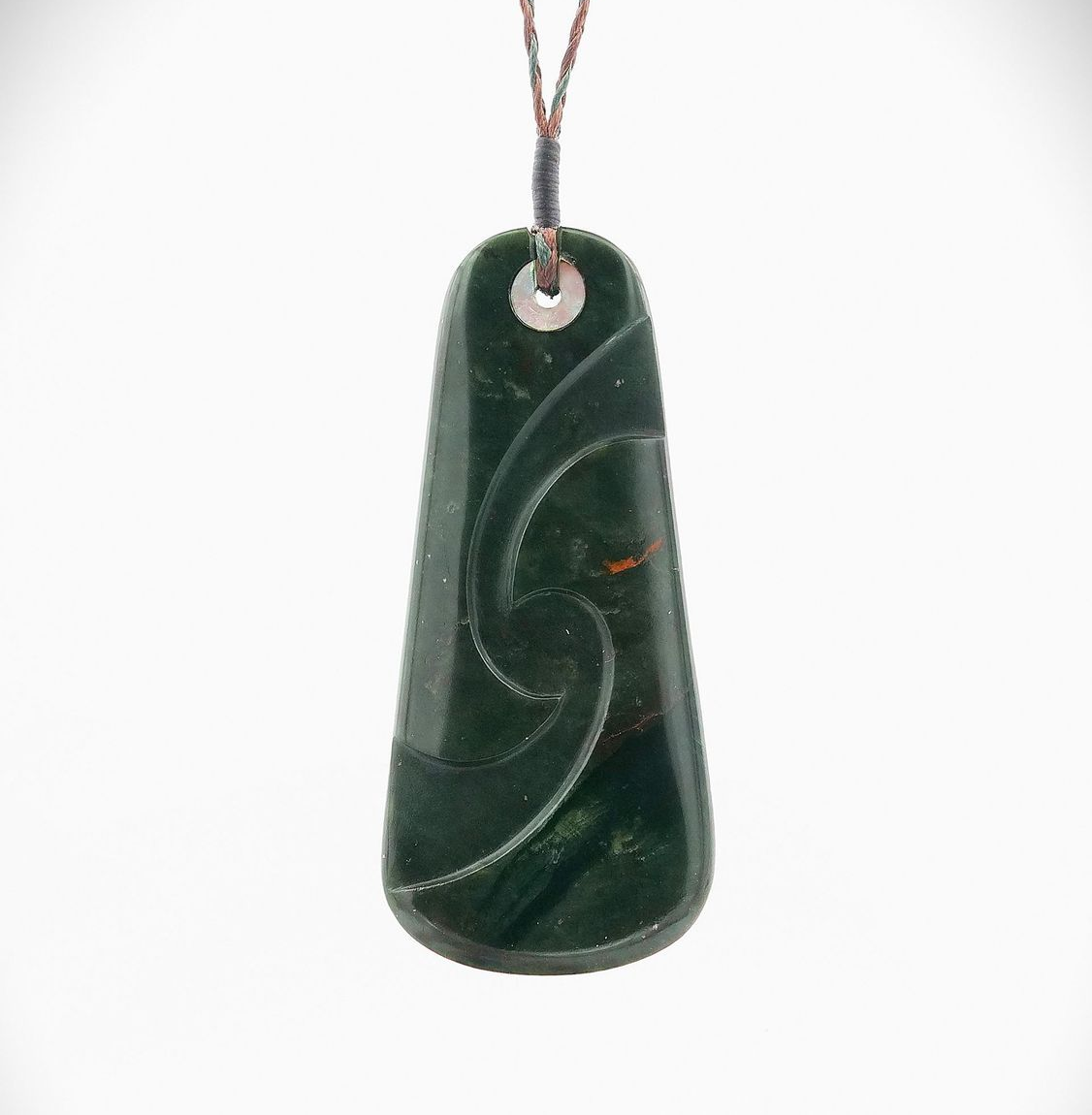
Key Characteristics: A deep green stone distinguished by red-brown, blood-like streaks and spots. It is rare to find Totoweka in the Westland jade fields, but when a piece is discovered, it is highly cherished.
Significance & Name: The name comes from toto (blood) and weka (a native bush hen). The red iron oxide inclusions were likened to the colour of blood of the Weka.
Tangiwai
Key Characteristics: Not nephrite jade but a bowenite stone, recognised by Māori as part of the pounamu family. It can be highly translucent, sometimes almost like glass, in olive, brown, or bluish-green tones.
Significance & Name: The name relates to tears (tangi to cry, wai water), referring to a deep sorrow.
Hapopo Pounamu
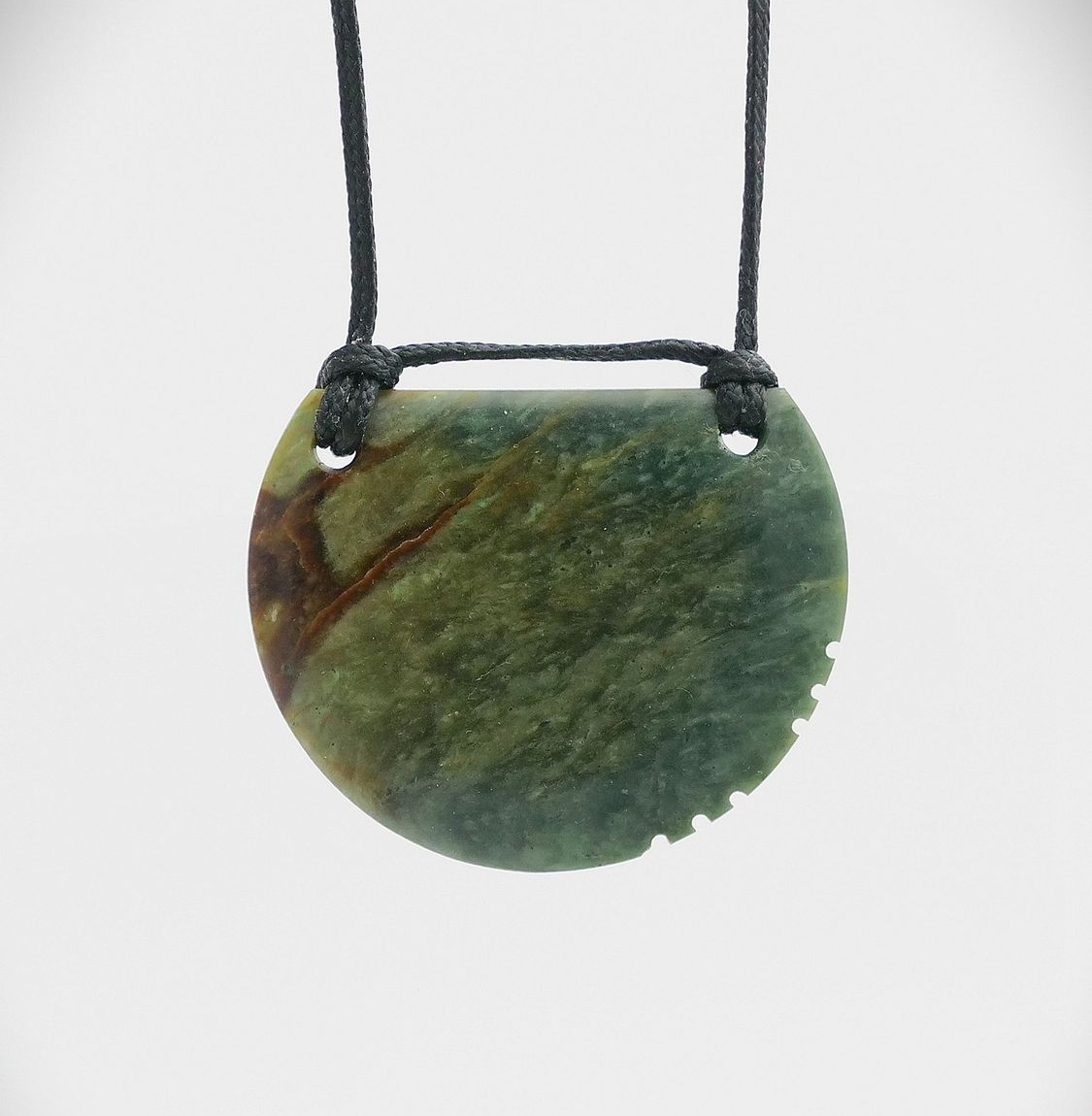
Key Characteristics: Medium to dark forest green with a distinctive mottled texture.
Significance & Name: This genuine West Coast greenstone is named for its source at Kā Umu o Hapopo (Big Bay) in South Westland (Poutini ki te toka). It is treasured for its earthy, richly textured appearance.
Marsden Flower Pounamu
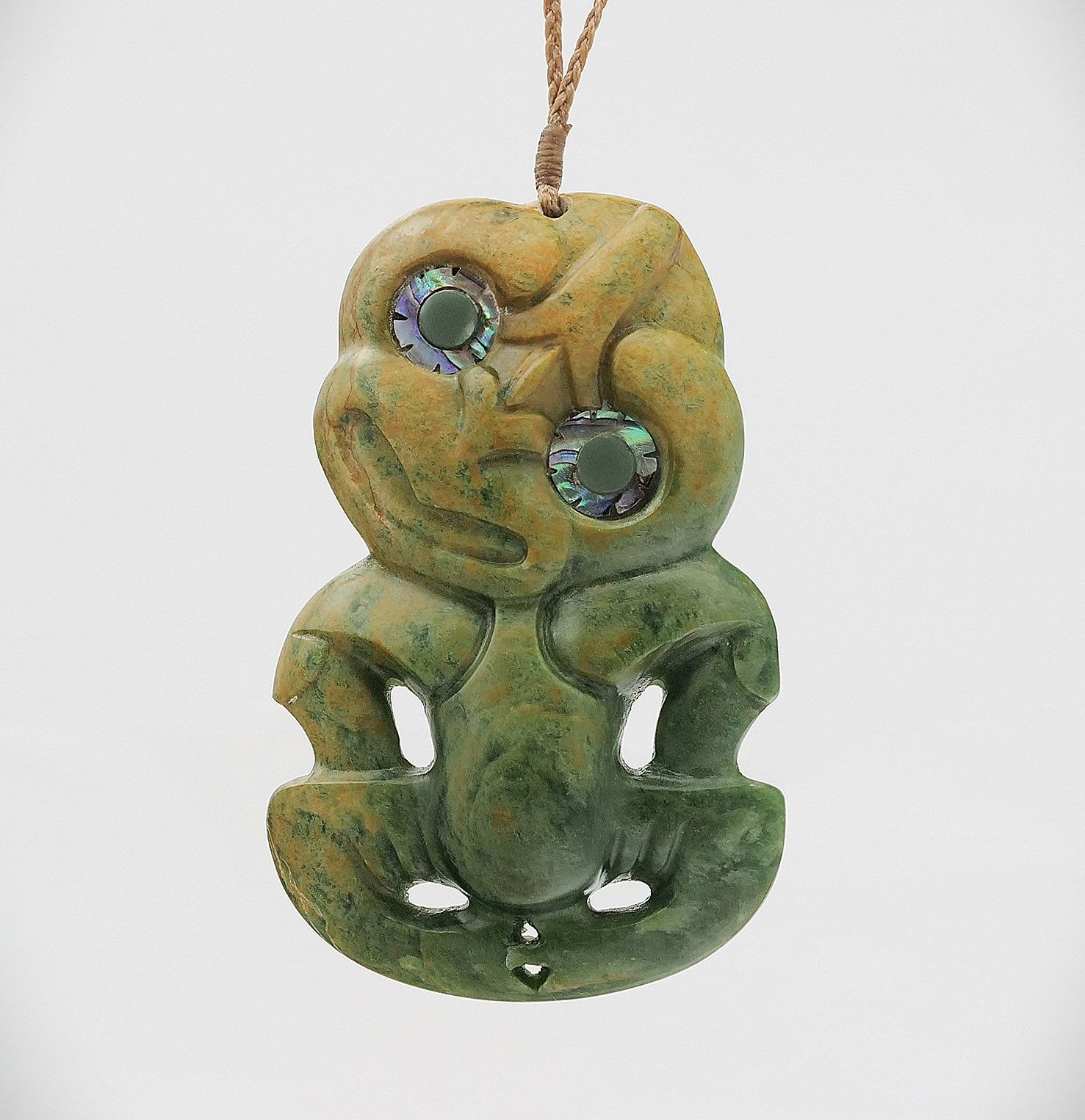
Key Characteristics: Marsden Flower's defining feature is a distinctive pale green or ochre "flower" patterning, created by oxidation on the outer rind of the boulder.
Significance & Name: Sourced from the Marsden area on the West Coast, this is one of the most prized forms of Flower Jade.
Pakohe (Argillite)
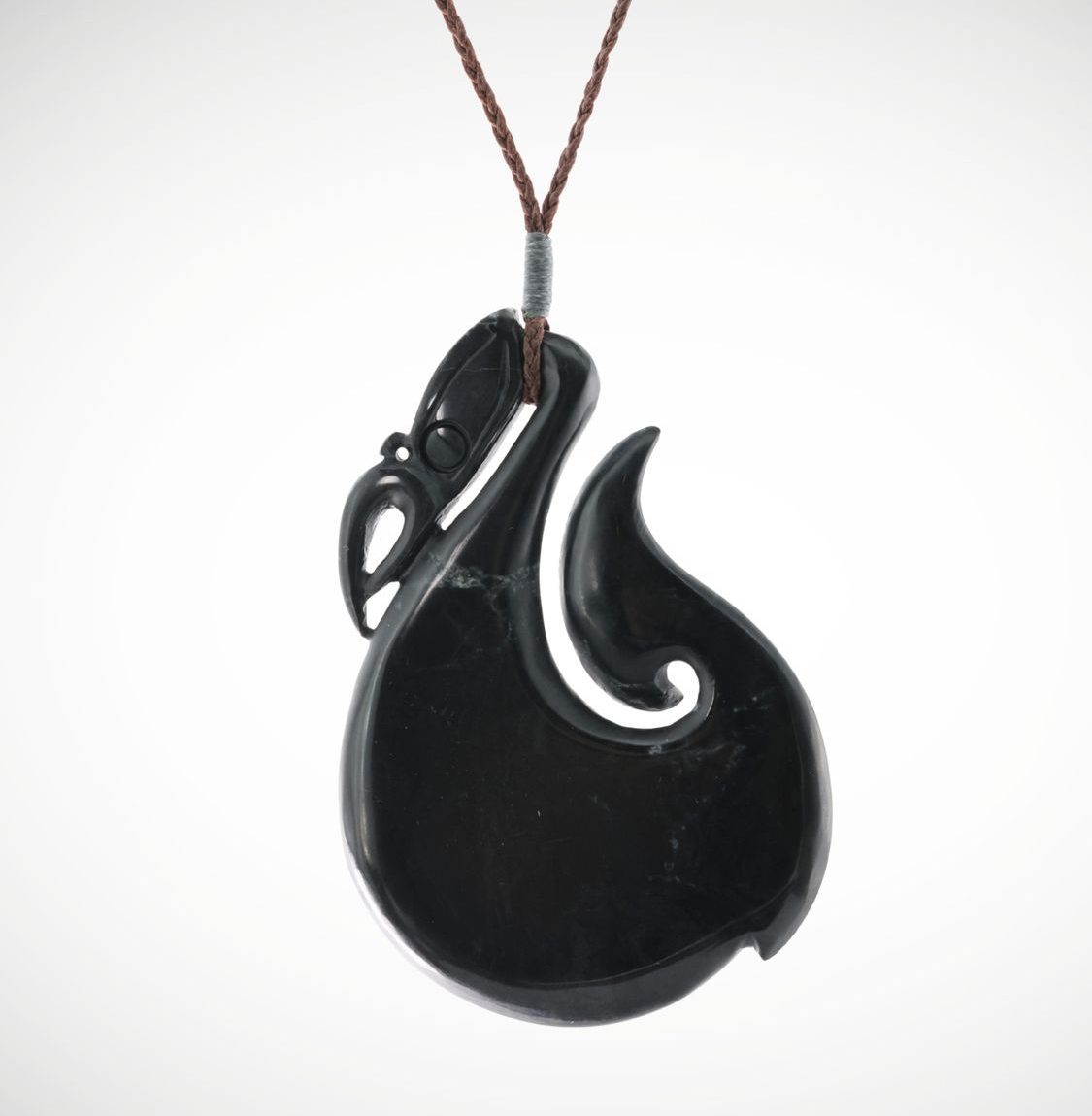
Key Characteristics: A very hard, dense stone (metamorphosed mudstone) that can hold a sharp edge which made it ideal for making tools (especially Toki). It typically appears in dark grey to black shades.
Significance & Name: Also known as Argillite, it is particularly associated with the Nelson-Marlborough region. It is found on Rangitoto (D'Urville Island), along the Whangamoa mineral belt, and in the upper reaches of the Maitai, Wairoa and Motueka Rivers.
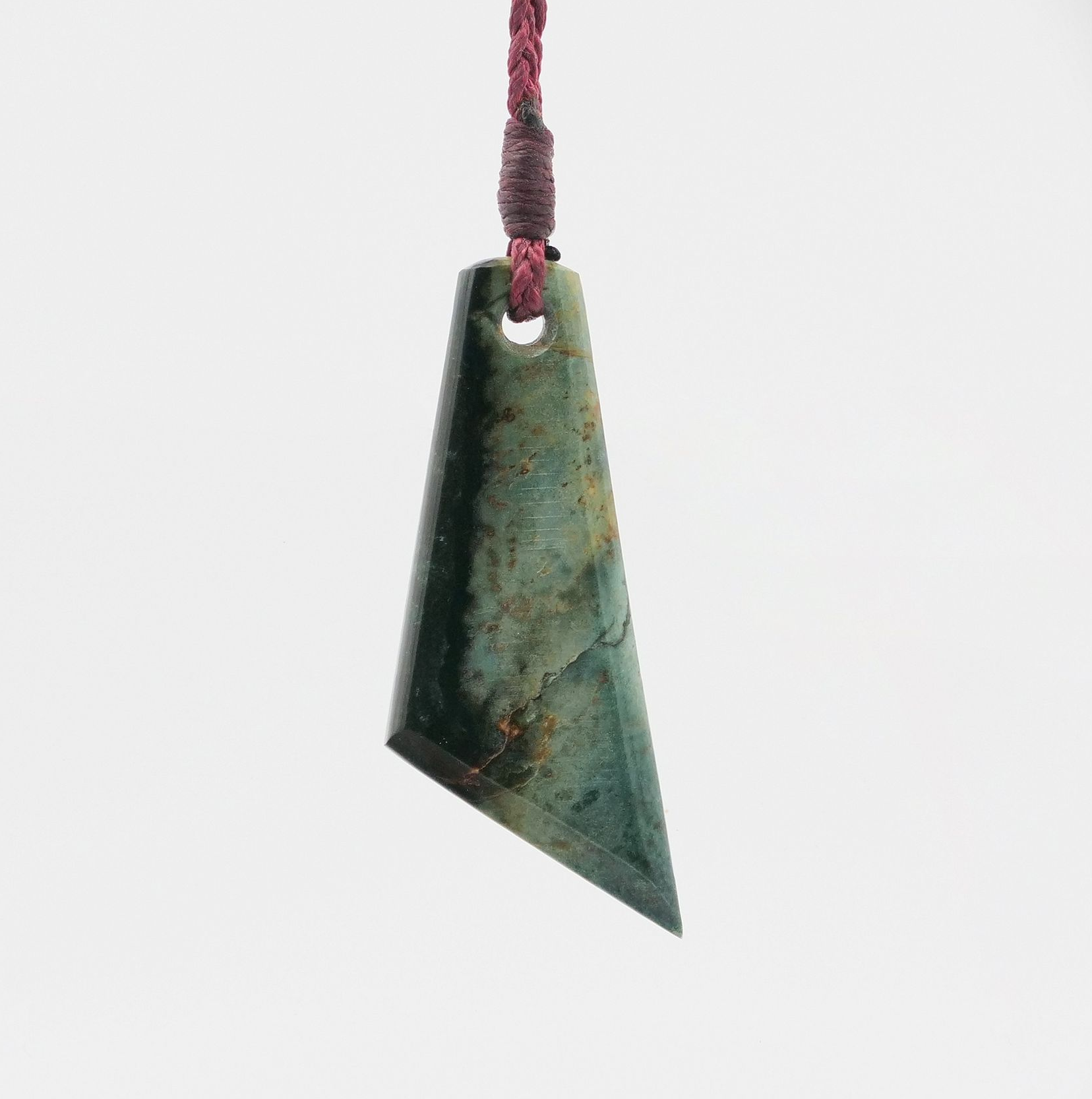
Serpentinite
Key Characteristics: A porous stone known for its stunning, varied mineral inclusions. Regarded as one of the three stone types in the pounamu family. It often deepens in colour by absorbing natural skin oils.
Significance & Name: The name refers to the rock's mottled green color, texture, and veined patterns, which are often reminiscent of the skin of a snake. Valued for its believed qualities to replenish energy and create a protective aura, it is a stone of great beauty and cultural significance.
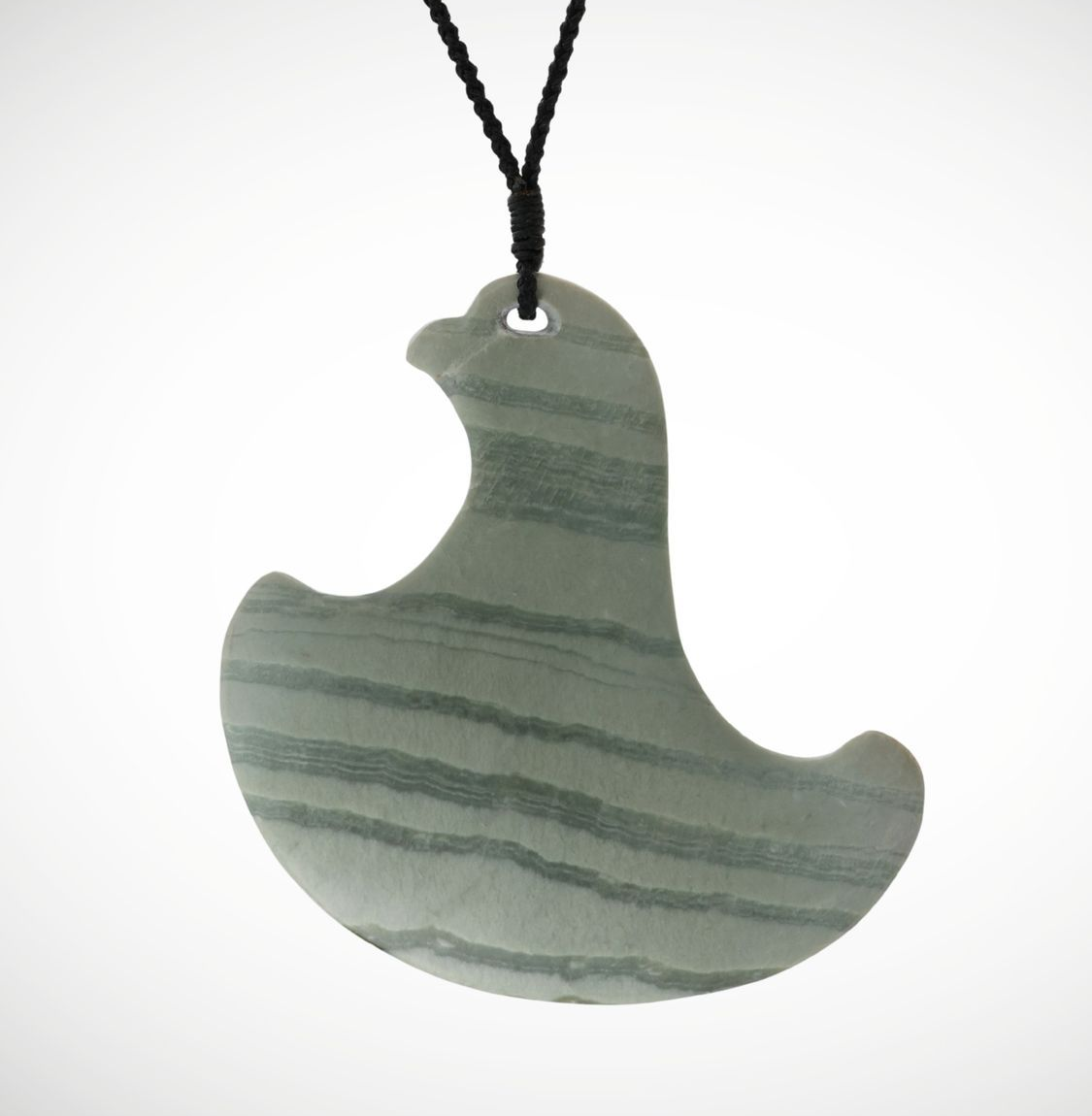
Pīpīwharauroa
Key Characteristics: This is a rare and unique type of stone usually found in the Inanga, Tangiwai and dark Kawakawa varieties. The stone shows a shimmering, chatoyant band of light (like a cat's eye) when moved.
Significance & Name: Named after the shining cuckoo bird, whose green and white plumage it resembles.
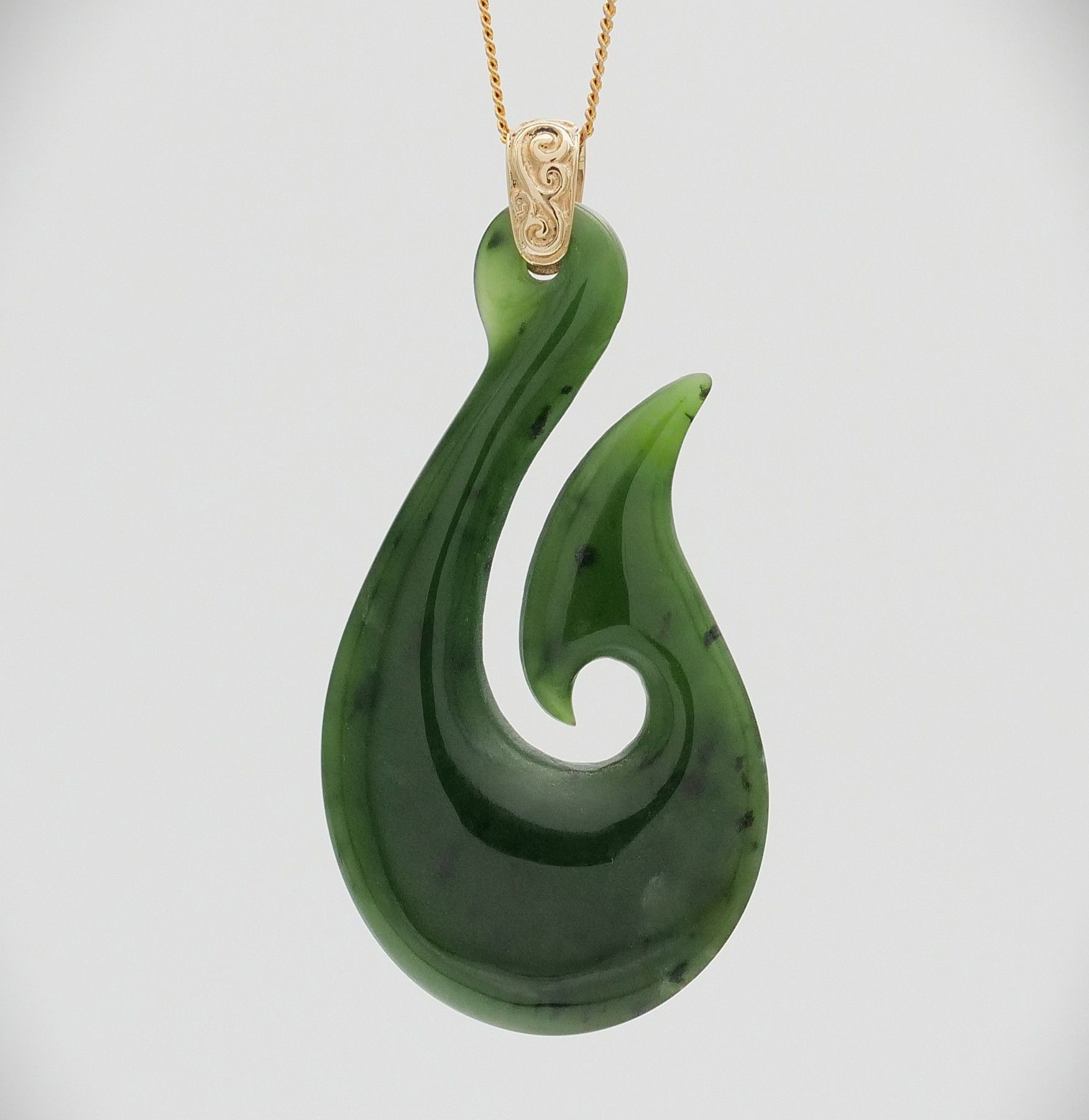
Kawakawa Pounamu
Key Characteristics: The darkest green shade, ranging from rich emerald to almost black, often with small dark flecks.
Significance & Name: Named after the native kawakawa leaf for its similar dark green colour. It is a common and versatile stone, favoured by carvers for its strength and workability.